
Will you celebrate this holiday season with a cruise to a tropical destination where fresh fruit is in season? Or, perhaps a relative from abroad plans to visit you in the U.S. and bring some food items you just can’t get here. Whether it’s you or a loved one traveling, regardless of your mode of travel — boat or plane — one thing is certain. If you try to bring unpackaged fruit into the U.S., the customs folks will not be pleased with you … an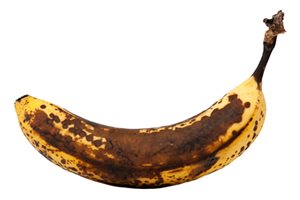 d your fruit is going in the garbage bin.
They’re not just being control freaks. There’s a very good reason for that old prohibition of “no bananas on boats.” Unpackaged produce can affect other food items and the environment — not to mention people — in unexpected and unpleasant ways.
Produce that hasn’t been properly cleaned, processed and packaged can carry bacteria and pests that can make people sick or damage other crops. In the case of bananas, everyone’s favorite long, yellow fruit can give off ethelyne gas that causes other fruit to ripen.
In the old days of nautical travel, a bunch of bananas could cause every other fruit in a storage hold to over-ripen and spoil. Since Titanic-era travelers didn’t have a sophisticated level of modern food packaging, it was safer to just ban bananas altogether on long voyages. Today, however, food packaging helps ensure that fresh produce and other food items can travel long distances without spoiling, or causing other food around it to spoil.
Modern food packaging achieves safety through multiple layers of space-age polymers that help keep food protected and fresh, while still allowing shoppers to see what they’re buying. A report by The International Life Sciences Institute’s Packaging Materials Task Force notes that modern food packaging needs to be strong, securely sealable, and remain folded when creased. Packaging needs to preserve food from external factors that could affect food quality and safety, including moisture, oxygen, light, odors and flavors from other things. It must do all those things while also being cost-effective for manufacturers to make and consumers to purchase, as well as convenient for consumers to use.
Sometimes, the multiple layers of protection are fairly simple, like the plastic bag inside the cereal box that keeps cereal crunchy, and the cardboard box that protects the cereal from being crushed. Other times, the layering is more high-tech, such as in packaged baked goods when multiple layers of polymers make up that innocent, ordinary-looking plastic wrap that protects the food. The base material, often oriented polypropylene, may be low-cost, clear, moisture resistant and flexible. However, it may lack heat resistance. Adding a thin layer of a heat-resistant polymer to one or both sides of the core polymer can create a film that’s much more durable than either polymer would be on its own.
This multi-layer approach is highly effective in preserving a variety of foods, fresh and packaged, whether it’s produce, meat or grain. Of course, the customs guys still won’t let you bring fresh fruit back from your trip to South America even if you wrap it in some sturdy plastic wrap. Instead, why not head to the supermarket when you’re craving fresh fruit?